Free Solo Climbing
No rope, no margin. Free soloing means climbing without ropes or protection. Its history, Alex Honnold's El Capitan climb and why it is only for a tiny elite.
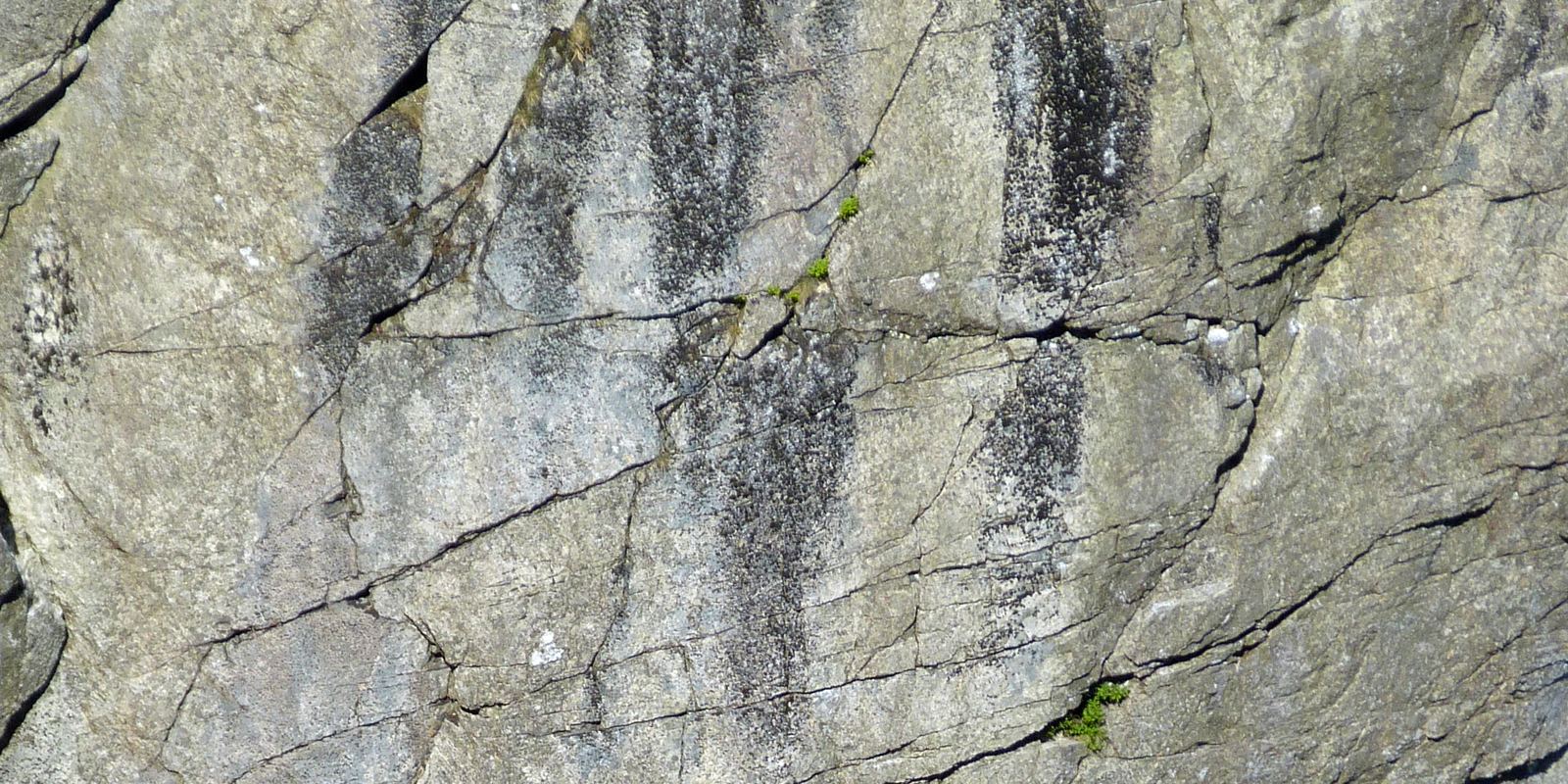
A free solo climber in Wales: ARG_Flickr, CC BY 2.0
What free soloing means
Most climbers use ropes, harnesses and protection to catch them if they fall. Free soloing means climbing high routes with only shoes and chalk, so any fall can be fatal. It is not the same as bouldering, which stays close to the ground over pads. Free soloists usually choose routes far below their maximum difficulty and rehearse them many times on a rope first.
A long, small tradition
Austrian climber Paul Preuss argued in the early 1900s that climbing should rely only on skill. Later soloists such as John Bachar in Yosemite in the 1970s and 1980s, and Alain Robert, who has climbed skyscrapers, became famous. The number of people who free solo hard routes has always been tiny.
Honnold on El Capitan
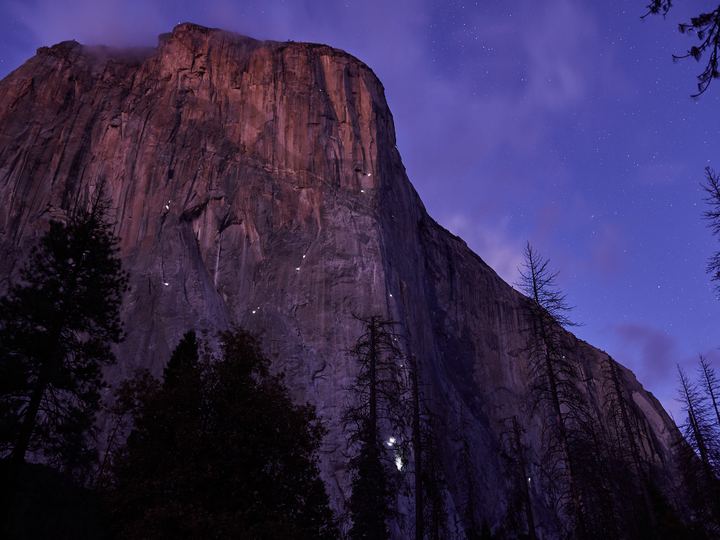
On June 3, 2017, American climber Alex Honnold free soloed Freerider, a route of about 900 metres on El Capitan in Yosemite, in under four hours. He had spent years preparing, rehearsing each section on a rope. The climb was filmed for the documentary Free Solo, which won the Academy Award for Best Documentary Feature in 2019, and is often called one of the greatest athletic feats of all time.
Ropes, the safer story
Most climbing achievements happen with ropes, and many of the hardest climbs in the world, from Silence to the Dawn Wall, were done that way. Modern equipment lets climbers attempt moves at their absolute limit and fall safely, which is how the sport keeps progressing. The rope-free stories make headlines, but the real backbone of climbing is careful partners, checked knots and good belaying.
If you are inspired by Free Solo, the best tribute is to learn climbing properly at a gym or with a guide, wearing a helmet outdoors and climbing with experienced partners.
A sobering truth
Several famous free soloists have died in climbing accidents. Most climbers, including many elite athletes, never free solo at height. Admiring the skill does not mean copying it: the safe way to enjoy climbing is with proper equipment, training and partners.
Professionals, don't try this: these athletes train for years with coaches, safety systems and spotters. Start at a supervised gym or club and progress slowly.
- A free solo climber in Wales: ARG_Flickr, CC BY 2.0
Text written by Legendary Awesome.