Climbing Grades Explained: YDS, French, V and Font
Grades describe how hard a climb is. Different countries and styles use different systems. This table shows rough equivalents; conversions are approximate and climbers often debate them.
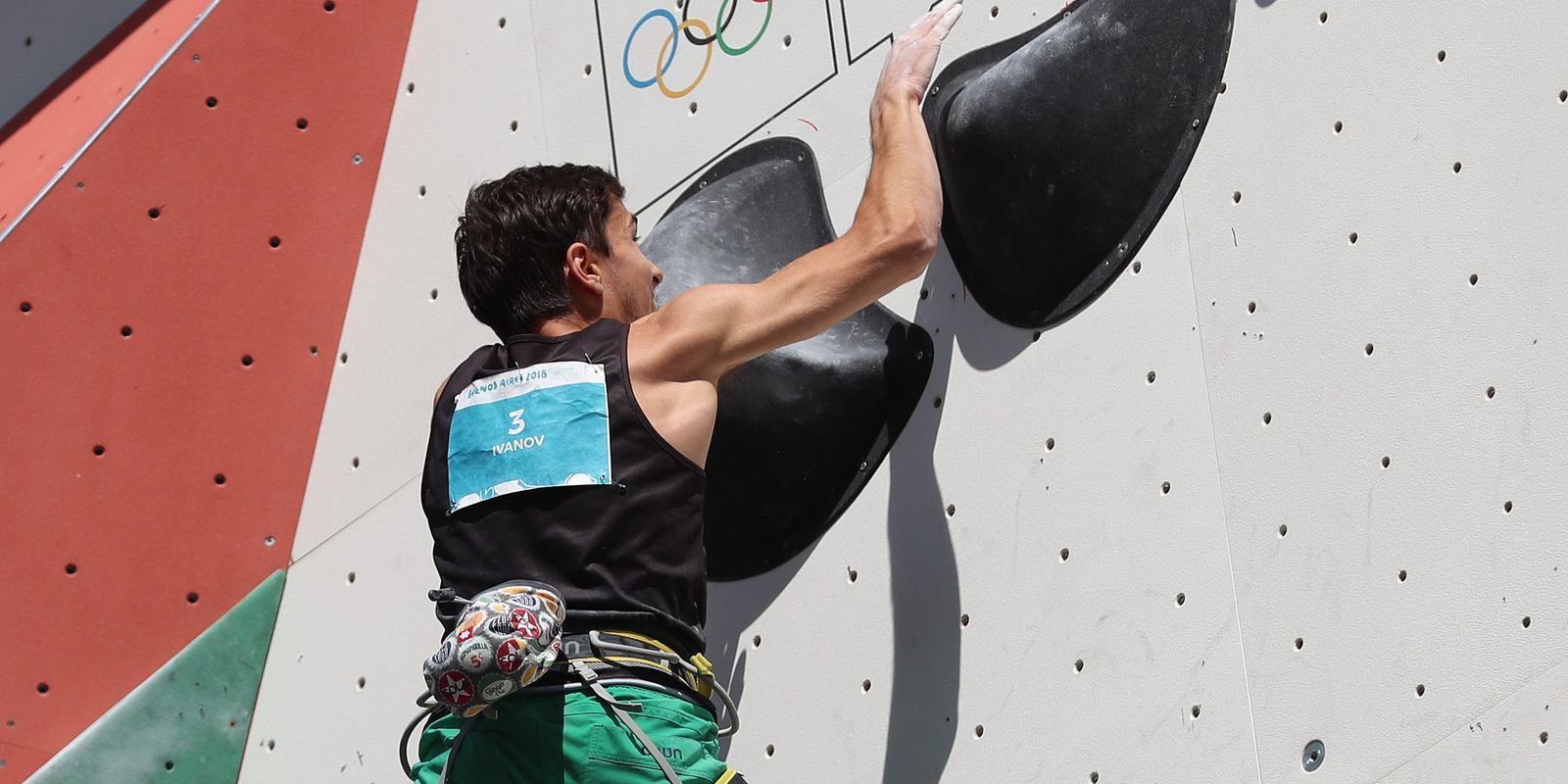
Youth Olympic bouldering, Buenos Aires 2018: Martin Rulsch, Wikimedia Commons, CC BY-SA 4.0
Routes (rope climbing)
US (YDS)
French
Feels like
5.6 to 5.8
5a to 5c
Beginner friendly
5.10a
6a
Solid intermediate
5.11a
6c
Experienced
5.12a
7a+
Advanced
5.13a
8a
Expert
5.14a
8b+
Elite
5.15a
9a+
World class
5.15d
9c
Hardest climbed (Silence, 2017)
Boulders
V-scale
Font
Feels like
V0
4
First problems
V2
5+
Beginner progress
V4
6B
Intermediate
V6
7A
Advanced
V8
7B
Expert
V10
7C+
Elite
V15
8C
World class
V17
9A
Hardest proposed boulders
Indoor gyms often use their own colour systems. Start easy, climb lots of routes at one grade, and progress slowly to protect fingers and shoulders.
Shop
The Legendary Awesome collection
Tees and hoodies in the Legendary Awesome colors, printed to order in the USA. Use code VIP15 from the newsletter for 15% off your first order.