Climbing Gear Basics
Harness, rope, belay and checks. The essential climbing gear explained: shoes, harness, dynamic rope, belay device, carabiners and quickdraws, plus the partner check before every climb.
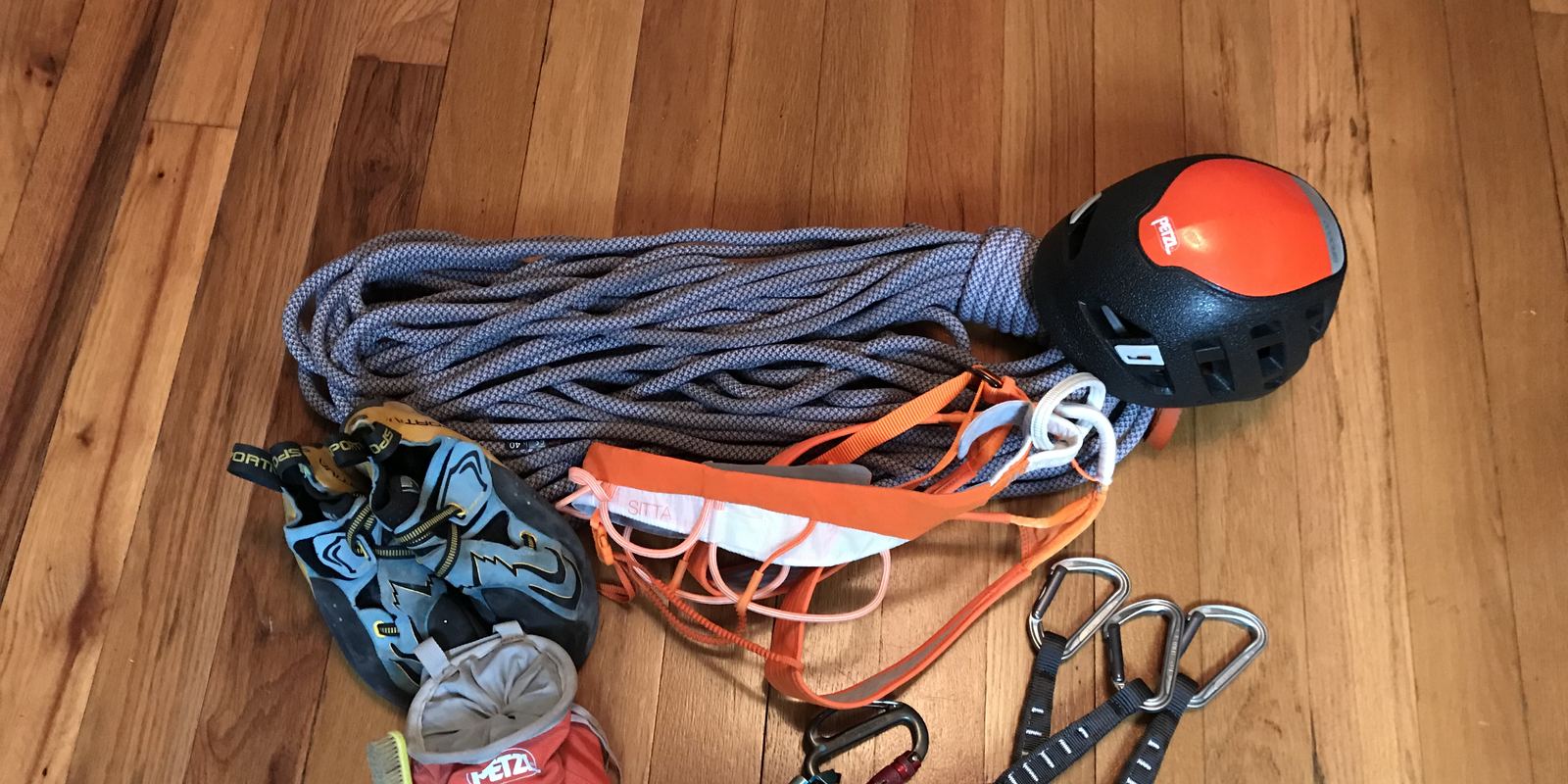
Sport climbing equipment: Climber.Ben.Johnson, CC BY-SA 4.0
Shoes and chalk
Climbing shoes fit snugly and have sticky rubber soles so you can stand on tiny edges. Beginners should choose comfortable, flat shoes rather than very aggressive downturned ones. Chalk keeps hands dry for better grip. Bouldering needs only these, plus a crash pad outdoors.
Rope climbing gear
Roped climbing adds a harness, a dynamic rope that stretches to absorb the energy of a fall, a belay device and locking carabiners. In sport climbing, the leader clips quickdraws, two carabiners joined by a sling, into bolts in the rock. In top-rope climbing, the rope runs through an anchor at the top, so falls are short.
The partner check
Before every climb, partners check each other: is the knot, usually a figure-eight follow-through, tied correctly and finished? Are harness buckles fastened? Is the belay device set up right and the locking carabiner locked? Is the end of the rope knotted so it cannot run through the device? This simple routine prevents many accidents.
Did you know?
Climbing ropes have a rating for how many standard test falls they can survive, and they should be retired after a set number of years or after a very hard fall, according to the maker's guidance. Carabiners are marked with their strength in kilonewtons. Belay devices come in tube styles and assisted-braking styles, which add an extra layer of safety. Gyms usually require a belay test before letting new climbers belay others.
Learning properly
Climbing gyms offer induction and belay courses, and national alpine clubs run outdoor courses. Do not learn belaying from videos alone. Replace gear that is old, damaged or has held a severe fall, and follow the manufacturer's instructions. Outdoors, helmets protect against falling rock and bumps.
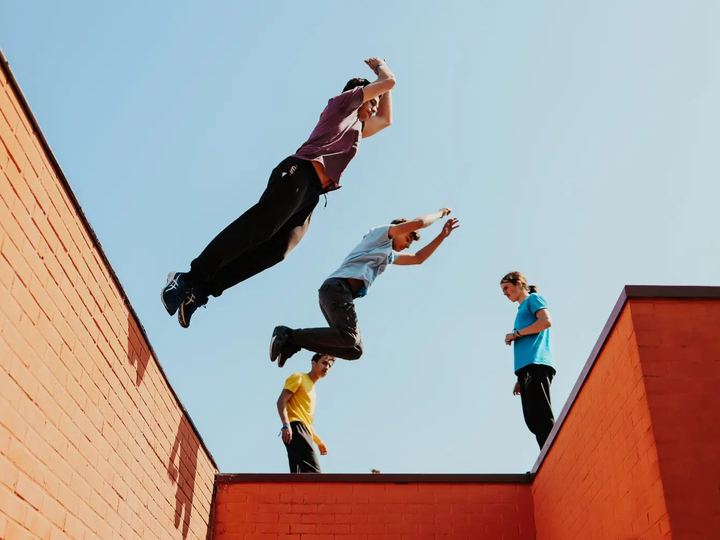
Professionals, don't try this: these athletes train for years with coaches, safety systems and spotters. Start at a supervised gym or club and progress slowly.
- Sport climbing equipment: Climber.Ben.Johnson, CC BY-SA 4.0
Text written by Legendary Awesome.